
Pediatric
Immunization
Schedule
As recommended by the American Academy of Pediatrics
Child Immunization Schedule
With all of the recent changes to the immunization recommendations in the United States (keep in mind, this is not based on new data - the changes were made by one person who has no expertise or experience in medical care), it can be confusing for parents to know what the experts actually recommend, so here it is.
Always Advocating for Kids
Dr. Candelori talks to kids in schools about how to keep their bodies and minds healthy.
She also gives interviews on the importance of vaccines in keeping children healthy - listen to her on NPR's Here and Now with Robin Young from November 2025.
Vaccines from Birth to 6 Months
Initial vaccines include Hepatitis B at birth, followed by doses of DTaP, Hib, IPV, PCV, and Rotavirus at 2, 4, and 6 months to build early immunity. Hepatitis B doses #2 to be given at 1 month and #3 between 6-9 months. Flu is recommended at 6 months and the first dose will require a booster one month later, and then each flu season, ideally before Halloween each year.
Vaccines from 6 Months to 18 Months
Boosters for DTaP, Hib, PCV, and IPV are given along with the first MMR, Hepatitis A, and Varicella vaccines to strengthen protection during toddler years. The vaccines can be given from 12-18 months with individual variances.
Vaccines from 4 to 18 Years
Older children receive boosters for Tdap, Meningococcal A and B, HPV, and annual flu shots to maintain immunity through school age and adolescence.
Common Questions About Childhood Vaccines
Are vaccines safe for my child?
 Learn More
Vaccines undergo rigorous testing and continuous monitoring to ensure safety. Side effects are usually mild and temporary, such as soreness or low fever. Serious reactions are extremely rare.
Recently, there has been misinformation on social media (and elsewhere) that vaccines do not undergo placebo controlled double blinded studies, but that is simply not true. And to do so at this time would be unethical to give a child placebo when we have the data that the vaccines are both incredibly safe and incredibly effective.
What side effects should I expect after vaccination?
 Side Effects Info
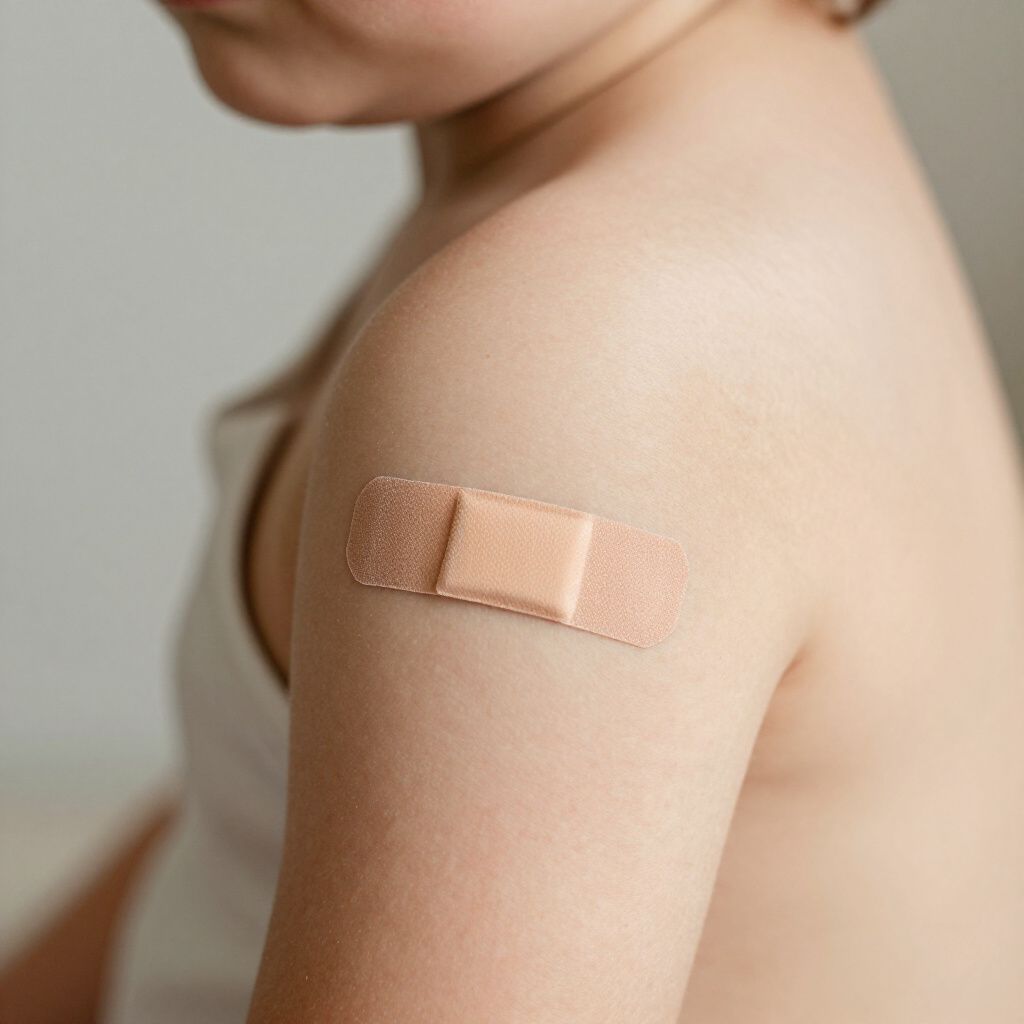
Common side effects include mild swelling, redness at the injection site, or slight fever. These symptoms typically resolve within a few days and indicate the immune system is responding.
Live attenuated vaccines (very very weak version of the illness) such as varicella, MMR, and rotavirus can cause longer symptoms.
Very rarely, serious side effects such as seizures or serious illness can occur, but the risks of these issues are MUCH HIGHER with getting the illness rather than the vaccine.
Do vaccines cause the illnesses they protect against?
 Vaccine info
Vaccines contain weakened or inactive parts of germs that cannot cause the disease. They stimulate the immune system to build protection without causing illness. This includes the flu vaccine! So many people insist they get the flu from the flu vaccine but biologically, that cannot occur. You can feel under the weather for a day or so after, but most people tolerate them well.
What about COVID vaccine?
The COVID vaccine is recommended for children ages 6 months and up. While most children tend to have mild illness, the vaccine is safe and can reduce the risk of severe illness and long COVID.
While there was a concern for increased risk of myocarditis in teen males after the vaccine, this study: https://www.bmj.com/content/391/bmj.r2330
showed that the risk is actually much higher with gettin COVID illness rather than with the vaccine.
Are vaccines 100% effective?
No vaccine is 100% effective. Variable immune responses in individuals makes it challenging to get to 100% - some people are non-responders, some immunity to specific illnesses wanes over time, and some just don't mount the same response.
However, vaccines generally prevent from severe infection or serious complications. Also, when we protect a certain percentage of the population, we develop "herd immunity," which prevents the illness from spreading rapidly and helps to protect our most vulnerable citizens - young infants, immunocompromised, and elderly adults.
What is VAERS?
VAERS, or Vaccine Adverse Event Reporting System, is a system put in place to track events that occur just after vaccines are given.
This is to provide ongoing monitoring of the vaccines to detect trends to see if there may be safety concerns related to a specific vaccine.
It is very important to note, that ANY adverse event after a vaccine is recorded, and are self-reported, and does NOT determine if there is a link - it allows us to detect trends and patterns. Healthcare professionals are required to report certain adverse events and vaccine manufacturers are required to report all adverse events that come to their attention.
Questions About Your Child’s Immunizations?
If you have any concerns or need clarification about your child’s vaccine schedule, side effects, or safety, our team is here to help. Reach out anytime to discuss your questions and ensure your child’s health is on track.
Email us with your immunization questions or to schedule a consultation.
admin@swellcareforkids.com
Phone
Call our office for immediate assistance or to speak directly with a pediatric care specialist.
407-641-2712
Office
Visit us or send mail to our pediatric care center at the address below.
260 Lookout Place
Suite 209
Maitland, FL 32751